
Imagine a car dealership that doesn’t accept used items in trade. There are no laws or regulations that require a new car dealership to do this, but they all do. The reason is simple: accepting used items in trade is the most effective way to make the sale of the new one viable.
This is the same principle used by electronics and home appliance companies in Brazilian retail. One of the pioneers of this movement is Trocafone, which has been in the market for 12 years and today dominates the complete cycle: repurchase through its retail partner program, direct repurchase by the consumer via online platform, acquisition in the B2B corporate market, repair and reconditioning of devices, and direct sales to the end consumer.
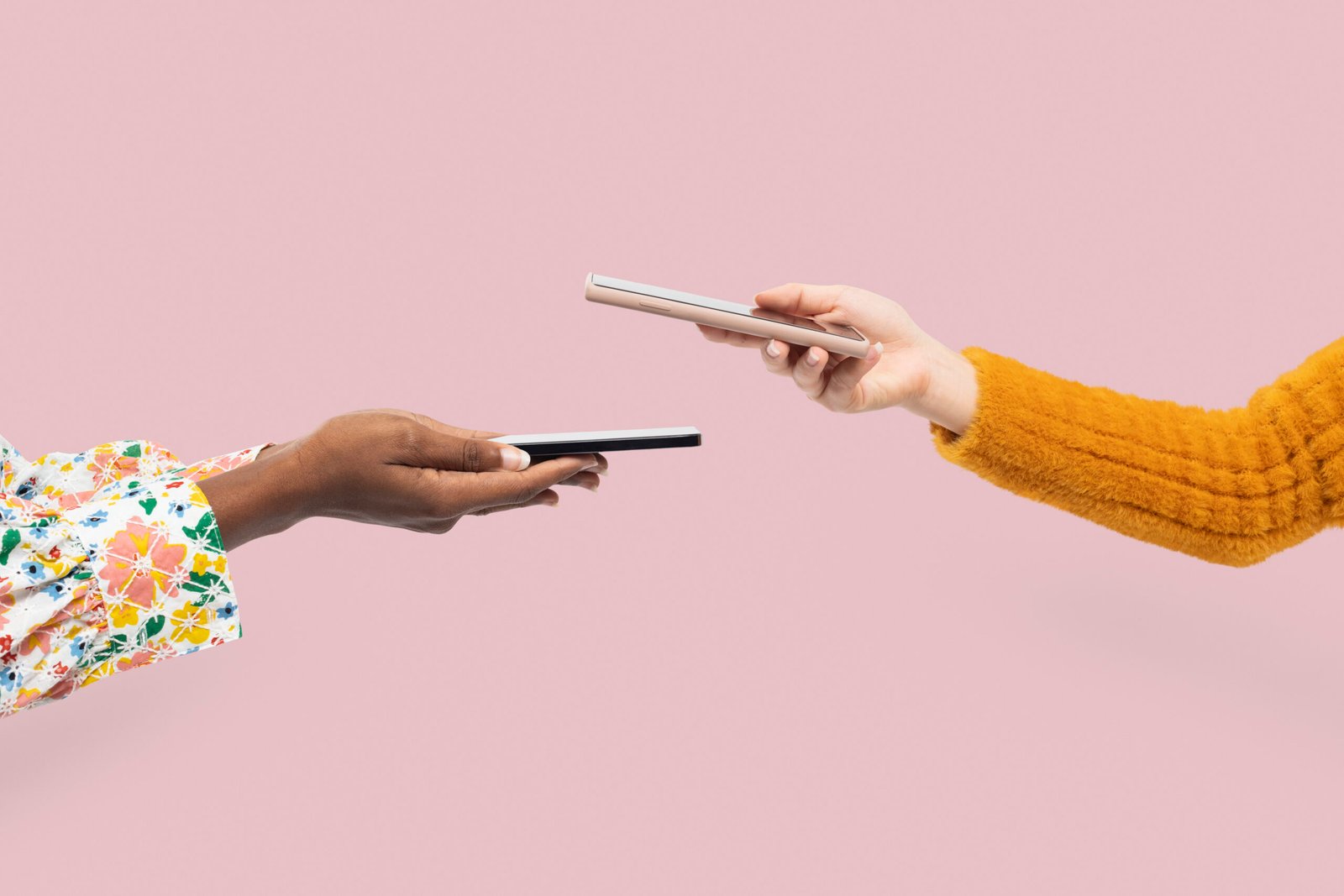
“A growing number of consumers simply don’t close the purchase of a new item without first knowing how much they will receive for their used one. The old cell phone has ceased to be wasted and has become an active part of the financial equation of the trade-in,” explains Flavio Peres, CEO of Trocafone. According to him, for the retailer, the impact is direct: trade-in reduces the barrier to entry, increases the frequency of exchanges, and accelerates the renewal cycle. The consumer recovers part of the investment made two or three years earlier and feels motivated to exchange sooner and buy a higher-value product.
However, market opportunities go far beyond cell phone exchanges. Tablets and smartwatches are already part of the company’s trade-in program with retail partners, and secondhand notebooks and MacBooks are already sold directly on the Trocafone website. “The next concrete step is the launch of online trade-in for new notebooks in 2026, expanding the same exchange experience that already works for smartphones to this category,” reveals Peres.
Along the same lines, Whirlpool and Samsung have created trade-in programs for home appliances. The Troca Certa program, from the group that owns the Brastemp and Consul brands, is anchored in the vision of a circular economy and facilitating the consumer journey.
“We understand that consumers often postpone replacing an appliance because they don’t know how to dispose of the old one or can’t afford the logistical costs of this removal, which usually costs around BRL 400 (average in Greater São Paulo). Therefore, the convenience of free home pickup, combined with the financial incentive of the discount coupon (Troca Certa program), becomes a decisive differentiator at the time of choice,” comments Douglas Reis, Legal, Regulatory Affairs and ESG Director at Whirlpool for Latin America.
The program, says Reis, acts as a trigger that accelerates the replacement of old products with more efficient models, while integrated reverse logistics ensures that disposal is not a problem for the customer, but rather a sustainable solution offered by the company.
The Eco Troca program from Samsung works in a similar way. Tulio Cesar Toledo, senior manager of the Customer Service Division at Samsung Brazil, explains that this is a service that enables the exchange and environmentally sound disposal of used electronic products, of any brand and in any condition, including those that no longer work.
“The main result observed is related to a 44% year-on-year growth, with a 72% increase in home appliances, in the adoption of proper disposal solutions for larger products and those with greater recycling complexity. In the case of TVs, the program helps to structure a more appropriate flow for equipment with a longer life cycle, while in air conditioners the impact is even more relevant due to the need for specialized treatment of components and refrigerants,” he highlights.
Benefit for all
This approach, adds Toledo, strengthens Samsung’s positioning as a company oriented towards sustainability and user experience, and not just the sale of products. By allowing the exchange of devices regardless of brand, entry barriers for the consumer are reduced, and the responsible disposal journey becomes simpler and more inclusive.
Furthermore, trade-in helps resolve the consumer dilemma regarding the disposal of a product that is still functional and has perceived value, offering a practical and sustainable solution.
The CEO of Trocafone agrees, saying that trade-in is a powerful conversion tool. But for the retailer, operating it on its own would be a significant deviation from its core business. The partnership is important because it provides its customers with a complete program without sacrificing focus on what really matters to them, which is selling new products.
“The result for the retailer is a robust sales tool, operationally transparent and with an immediate impact on conversion, but without the cost and complexity of operating a trade-in chain internally,” emphasizes the CEO.
For Reis, the Whirlpool program acts, above all, as a facilitator of the trade-in journey. By offering a financial benefit coupled with a responsible disposal solution, friction at the time of the purchase decision is reduced.
“Although the program boosts sales by offering a financial incentive for product renewal, its main value lies in its ability to build customer loyalty by offering a complete solution for a replacement journey that, historically, was complex and costly. By offering the convenience of free and responsible disposal, we transform the moment of purchase into a more fluid and conscious decision,” concludes the executive.