
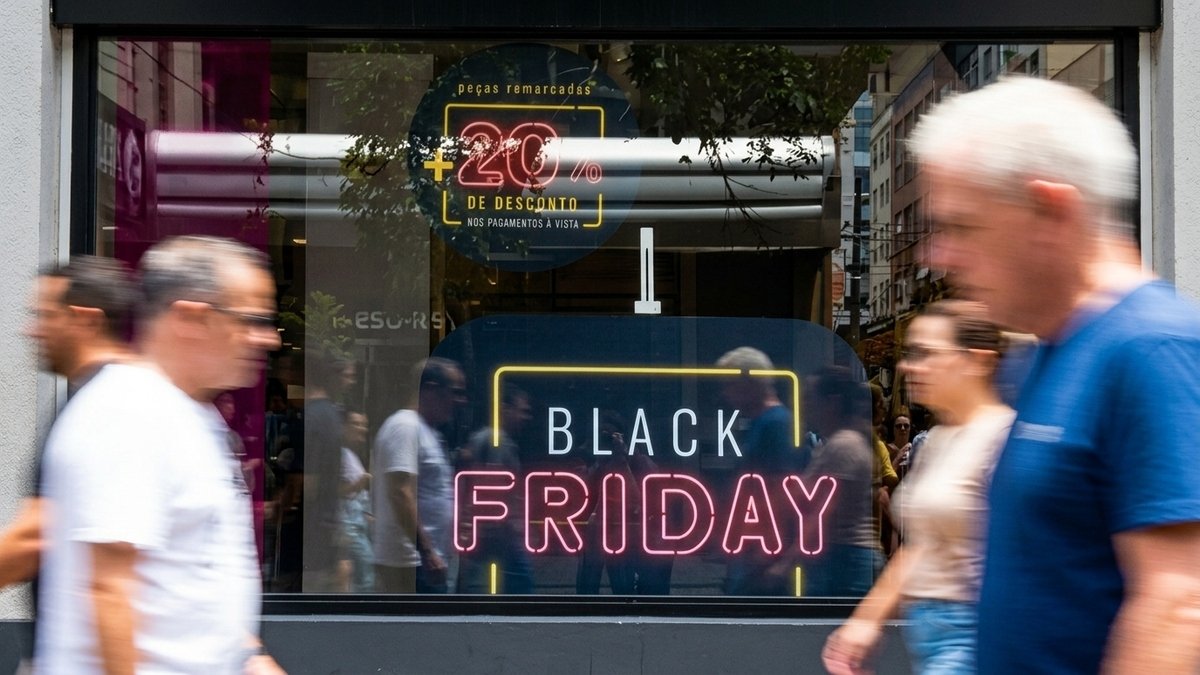
Black Friday is no longer an operation centered on retailers setting promotional discounts. The event has evolved into a broader collaboration between manufacturers and sales channels. With consumers paying closer attention to deals, pressure on margins and competition across physical stores, e-commerce and marketplaces, manufacturers are taking a more active role in decisions that directly affect the performance of the event.
Under this model, manufacturers are becoming involved in areas such as portfolio definition, inventory planning, cooperative campaigns, digital initiatives, commercial terms, and the creation of kits and bundles. As a result, Black Friday is increasingly taking on the characteristics of a commercial management operation, with preparation beginning months before the promotional week.
For Newell Brands, Black Friday is built jointly with retail partners. Planning takes into account shared category data, historical sell-out performance and consumer behavior across different channels. Based on these insights, the company defines the most appropriate product mix for each partner, considering factors such as average ticket size, seasonality and shopper profile.
Different brands within the portfolio also play distinct roles during the campaign. Oster focuses on high-demand categories such as coffee makers, air fryers, blenders and planetary stand mixers, products for which consumers tend to enter the purchase journey with a more defined intention. Cadence, on the other hand, operates with a broader portfolio and an accessible positioning, serving consumers looking to upgrade household products while prioritizing value for money, including sandwich makers, fans and portable blenders.
The industry’s participation also extends to offer communication. Newell Brands says it works with digital campaigns, cooperative media, materials for physical and online points of sale, and content designed to highlight product attributes at the moment of decision. The strategy aims to support retailers’ commercial messaging rather than simply communicate a percentage discount.
This shift is also reflected in the way promotions are structured. With consumers becoming more selective, perceived value gains importance in the construction of Black Friday offers. Instead of relying exclusively on price reductions, manufacturers and retailers are working with product combinations designed to address more specific consumer needs.
Examples include combinations such as an espresso coffee maker with a grinding accessory or a sandwich maker paired with a portable blender. These bundles can increase the perceived value of an offer for consumers while also giving retailers another way to manage margins compared with promotions based solely on discounts.
For manufacturers, developing these combinations in advance also supports inventory planning and campaign preparation. Products are no longer considered in isolation and instead become part of a commercial proposition that needs to be aligned with availability, communication and expected consumer behavior.
In the smartphone accessories segment, Volt also sees Black Friday as an opportunity that goes beyond a temporary increase in sales. The company views the event as a platform to strengthen brands, expand market share and generate value across the supply chain.
According to Rafael Linhares, Commercial Director at Volt, preparation begins months in advance, with demand analysis, inventory planning, portfolio definition and the development of commercial initiatives alongside partners. The company works with retailers to identify products with strong sales potential, create exclusive kits and bundles, develop promotional campaigns and establish commercial conditions.
The dynamics of the smartphone accessories market reinforce the importance of execution during Black Friday. Because purchasing decisions tend to be quick and heavily influenced by perceived value, factors such as product quality, visibility and commercial strategy can directly affect sell-out.
Product availability is another critical point. During periods of high demand, a stockout can compromise an immediate sale while also affecting the consumer experience and the relationship between retailer and manufacturer. As a result, demand forecasting, supply and replenishment are becoming increasingly important in planning, particularly for high-turnover categories.
Data analysis has also become part of the preparation process. Newell Brands monitors sell-in and sell-out indicators, as well as search, browsing and category performance data. Reading these signals allows the company to identify changes in demand and adjust inventory, assortment and product visibility before and during Black Friday.
Within the Oster and Cadence portfolios, some categories begin to see increased search activity weeks before the event, including coffee makers and sandwich makers. This early movement influences inventory, merchandising and communication decisions with retail partners. For manufacturers, tracking this curve before the sales peak provides an opportunity to prepare the operation for the period of greatest demand.
The strategy also needs to account for differences between sales channels. Consumer behavior in e-commerce does not necessarily mirror what happens in physical stores, whether in terms of average ticket, prioritized categories or price sensitivity. At the same time, the shopping journey has become increasingly hybrid, with consumers often beginning their research online and completing the purchase at a physical point of sale.
For manufacturers and retailers, monitoring this movement across channels is becoming part of Black Friday preparation. Portfolio, inventory, communication, bundles and commercial terms need to reflect the role of each channel in the shopping journey and the way consumers interact with products.
In this context, preparing for Black Friday now involves far more than setting promotional prices. The industry’s participation extends to assortment planning, sell-out monitoring, supply, offer development and communication, bringing manufacturers closer to the decisions that shape campaign execution across retail.