
Major business trade fairs have an impact that goes beyond the exhibition halls where they are held. By attracting visitors from different regions, these events drive a chain that includes hotels, restaurants, transportation, convention centers, tourist attractions, and companies responsible for organizing and promoting trade fairs.
In São Paulo, this dynamic is closely monitored by Visite São Paulo, an organization that brings together representatives from different segments connected to tourism and events. Its work involves promoting the destination and supporting events capable of attracting visitors and exhibitors to the city and the state.
“Our mission is to increase visitor flow and support events. When we promote São Paulo, we are promoting an entire economic chain that depends on this movement,” explains Toni Sando, CEO of Visite São Paulo.
This dynamic becomes increasingly relevant with the organization of major events aimed at the professional market. In this context, trade fairs such as Eletrolar Show help connect companies, buyers, and professionals from different parts of the country while also generating demand for activities that are not directly related to the exhibition itself.
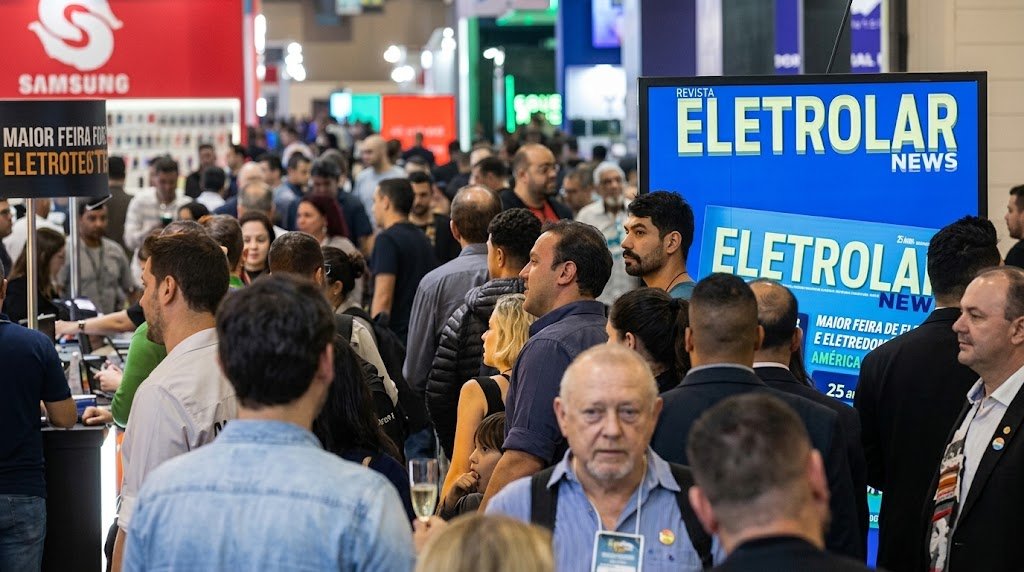
Considered the leading trade fair for the consumer electronics, technology, and durable goods industries in Latin America, Eletrolar Show attracts thousands of qualified visitors. For Sando, the number of people attending the event is only part of the impact generated during the trade fair period.
“When more than 40,000 people visit a trade fair, the impact does not happen only inside the event. These people use hotels, restaurants, transportation, visit attractions, and drive the local economy. The trade fair is important for business, but also for the destination,” he says.
Visitors Increase Activity Beyond the Exhibition Halls
The presence of professionals from other cities and states creates demand that spreads across different sectors of the economy. Visitors’ stays in the destination involve accommodation, food, and transportation, as well as activities carried out before or after the professional program.
This behavior also changes the way events are evaluated. For the executive, visitors have come to consider the experience offered by the destination as part of the business trip itself.
“The visitor is not only looking to fulfill their business agenda. They want to get to know the destination, enjoy the city, and have experiences. When we are able to offer that, we add value to the event and strengthen its appeal for future editions,” he highlights.
The perception of the city can therefore extend beyond the period in which the trade fair takes place. A positive experience during the stay can contribute to the event’s appeal in future editions, while the infrastructure available at the destination can also influence the decision to attend in-person events.
The chain involved ranges from exhibition spaces to the services used by visitors during their time in São Paulo. Hotels, restaurants, transportation, and attractions receive part of this demand, creating an effect that extends beyond the activity directly connected to the trade fair.
In-Person Events Maintain Their Place in the Digital Market
In addition to their economic impact, trade fairs play a role in building relationships. Even with the expansion of digital tools and remote interactions, Sando highlights the importance of in-person meetings for building trust and developing business.
The opportunity to bring suppliers, buyers, partners, and professionals together in the same environment facilitates conversations that can begin during the official program and continue at other points throughout the trip.
“Trade fairs create opportunities for contact, knowledge exchange, and business generation. But they also create memories. From the moment of arrival at the event to moments of interaction, everything contributes to the perception visitors will have of that experience,” he says.
For the executive, this human dimension differentiates in-person events in a scenario where much of professional interaction can be built through digital platforms. Direct contact makes it possible to combine business, knowledge exchange, and social interaction in the same experience.
In this model, the event is not limited to the exhibition space. The city also becomes part of the visitor’s experience, whether through the infrastructure available to welcome attendees or through the services they use during their stay.
Visite São Paulo’s work is precisely part of this chain, bringing together representatives from hotels, convention centers, restaurants, trade fair organizers, and event promoters with the goal of strengthening the destination and creating conditions to welcome visitors and exhibitors.
For Sando, the relationship between events and tourism increases the economic relevance of trade fairs. By attracting professionals to São Paulo, business events also generate the movement of people and consumption across different activities, connecting the corporate market with the destination’s economy.