
Packaging sustainability has taken on a more strategic role for Brazilian companies following the entry into force of Federal Decree No. 12,688/2025, known as the “Plastic Decree.” The regulation introduces new requirements for manufacturers, importers, distributors and retailers, particularly regarding reverse logistics and the use of recycled materials.
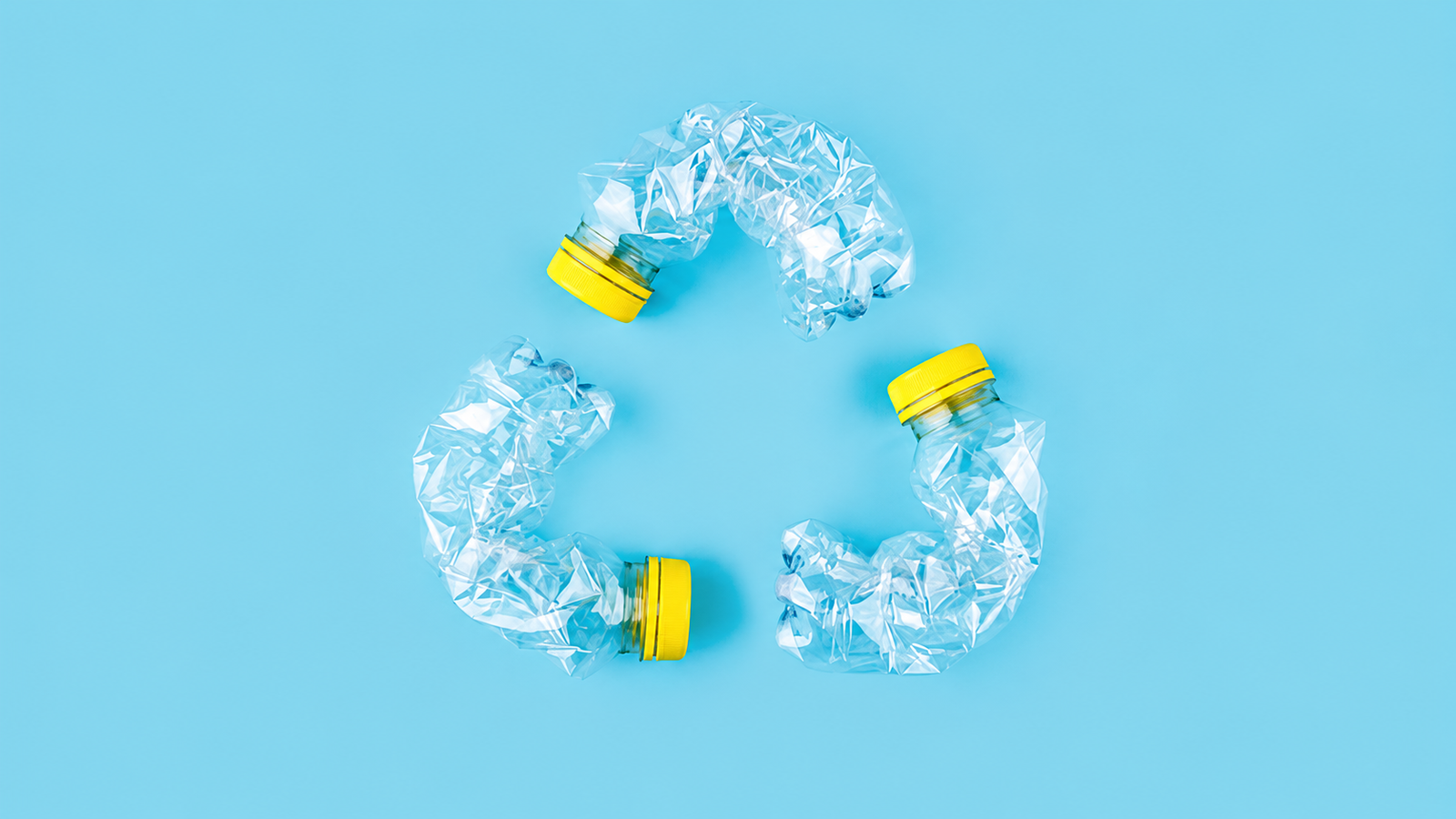
One of the main changes is the creation of the Recycled Content Index (ICR), which establishes minimum percentages of recycled material in plastic packaging. The initial target is set at 22%, with the requirement expected to increase gradually over the coming years.
For Jeferson Alberton, marketing coordinator at Bellaforma Embalagens, the decree expands requirements that were already part of the sector’s regulatory framework. “Ele não altera as regras anteriores, mas acrescenta novos critérios. Agora, além de garantir a reciclagem das embalagens, será necessário comprovar que elas também incorporam material reciclado em sua composição”, explains Alberton.
The new rules are expected to accelerate a review of the materials currently used by the industry. According to Alberton, one of the main challenges will be finding alternatives that maintain the necessary level of product protection while also meeting the new environmental requirements.
Compliance will not be limited to the packaging that reaches consumers directly. According to Samuel Moschetta, CEO of Bellaforma Embalagens, companies will need to assess different types of packaging used throughout the supply chain.
“Será necessário olhar todo o inventário de embalagens colocadas no mercado e comprovar qual percentual delas contém material reciclado”, he says.
The need to demonstrate compliance is expected to increase the importance of traceability and certifications. It may also require closer integration between packaging manufacturers, recyclers and raw material suppliers.
For companies, this means gaining a deeper understanding of their supply chains and establishing greater control over the origin of the materials used in packaging. The process also covers secondary and tertiary packaging used for transportation, storage and distribution.
The move is part of a broader regulatory shift already taking place in other markets. For Carlos Moreira, project director at Think Plastic Brazil, the country is following a path already seen in markets with more advanced circular economy regulations.
“Quando olhamos para a Europa e até para países da América Latina, como o Chile, percebemos que as exigências relacionadas à sustentabilidade das embalagens estão se tornando cada vez mais rigorosas. O decreto ajuda a preparar as empresas brasileiras para essa realidade”, he says.
Adapting to the new rules will also require investment. Companies may need to review packaging specifications and suppliers while increasing spending on data management, certifications and systems to document environmental indicators.
Penalties are another point of attention. The decree establishes fines ranging from R$5,000 to R$5 million, in addition to administrative sanctions that may affect business operations.
“As punições foram estruturadas justamente para garantir que as metas sejam cumpridas”, Alberton notes.
At the same time, the regulation creates opportunities across the packaging supply chain. Demand for more sustainable packaging solutions is already influencing purchasing decisions in different industries, creating room for companies focused on innovation, circularity and recycled materials.
According to Moreira, companies from different sectors are looking for suppliers capable of meeting new environmental requirements as well as the demands of international markets. The movement could generate new business opportunities and strengthen the recycling chain.
“A discussão não deve ser sobre acabar com o plástico, mas sobre utilizá-lo da maneira correta”, Moschetta says.
For Moreira, the new regulation also contributes to changing how plastic is viewed within a circular economy. “Quando existe coleta, reciclagem, rastreabilidade e reinserção do material na cadeia produtiva, o plástico deixa de ser visto apenas como um problema ambiental e passa a ser reconhecido como um recurso que pode gerar valor, emprego e circularidade”, he concludes.